
Nanjing Chemical Material Corp.

As a historic chemical enterprise reformed from a state-owned company founded in 1955, Nanjing Chemical Material Corp. (NCMC) has developed extensive expertise in functional chemicals. Among their specialized offerings, Monoammonium Glycyrrhizinate stands out as a versatile plant-derived compound with growing importance across multiple industries, particularly in personal care and pharmaceutical applications.
Monoammonium Glycyrrhizinate, a derivative of glycyrrhizic acid extracted from licorice root, represents NCMC's commitment to harnessing natural compounds for modern industrial applications. This water-soluble ammonium salt maintains the beneficial properties of its botanical source while offering improved stability and solubility compared to raw extracts. The compound's molecular structure allows for multiple functional applications, making it a valuable ingredient in formulations requiring both active performance and natural origin.
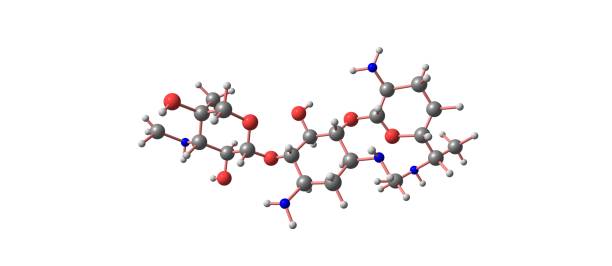
When compared with alternative skin-conditioning agents, Monoammonium Glycyrrhizinate demonstrates unique advantages. Unlike synthetic anti-inflammatory compounds that may cause irritation with prolonged use, this licorice-derived ingredient offers natural compatibility with human physiology. In contrast to corticosteroid treatments that carry risk of side effects, it provides a milder yet effective alternative for soothing applications. The compound's ammonium salt formulation also gives it solubility benefits over traditional glycyrrhizic acid, allowing for easier incorporation into aqueous systems compared to oil-soluble alternatives.
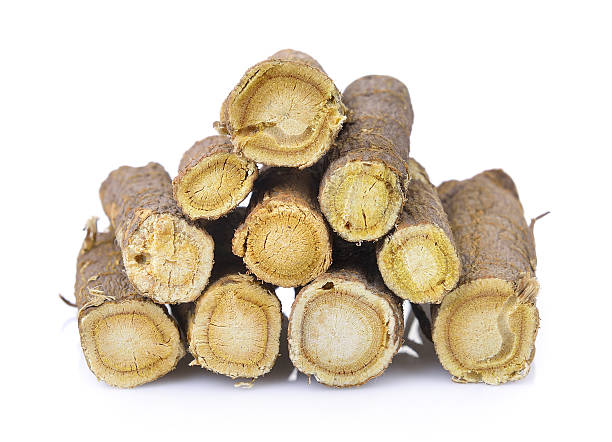
The personal care industry extensively utilizes Monoammonium Glycyrrhizinate for its multifunctional benefits. NCMC supplies this ingredient to formulations where it serves as both an active soothing agent and a natural preservative booster. Its ability to calm irritated skin makes it particularly valuable in sensitive skincare lines, including after-sun products, post-treatment formulations, and daily care items for reactive skin types. Additionally, the compound's natural origin aligns with growing consumer demand for clean beauty ingredients, positioning it as a strategic component for brands developing naturally-positioned products.
Beyond cosmetics, Monoammonium Glycyrrhizinate finds significant application in the pharmaceutical sector. NCMC provides this ingredient for use in throat care formulations where its soothing properties help relieve discomfort. The compound's natural anti-inflammatory characteristics make it suitable for inclusion in oral care products and topical preparations designed for sensitive tissues. Pharmaceutical manufacturers value its dual functionality as both an active ingredient and formulation stabilizer, reducing the need for additional excipients in final products.
As global trends continue shifting toward natural and sustainable ingredients, Monoammonium Glycyrrhizinate is poised for expanded applications. NCMC's extensive experience in chemical manufacturing positions the company to meet growing demand for this botanical extract across multiple sectors. Current research directions suggest potential new uses in nutraceuticals and functional foods, building on the compound's established safety profile and traditional use history. With its vertically integrated capabilities spanning R&D through distribution, NCMC remains well-equipped to support partners in developing innovative applications for this versatile licorice derivative.
NCMC's Monoammonium Glycyrrhizinate exemplifies how traditional plant extracts can be optimized for contemporary industrial needs. By combining decades of chemical expertise with a focus on natural solutions, NCMC delivers ingredient solutions that bridge traditional wisdom with modern formulation science, creating value for partners across global markets.

